
Hoshi Pen: “Global Ambition from a 45-Year Foundation”
03 Sep 2025
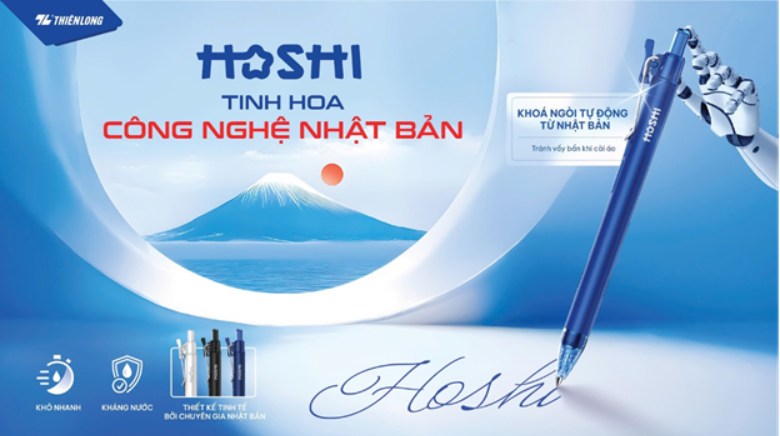
Thien Long Marks Two Decades of Japanese Partnership with the Launch of “Hoshi” Pens
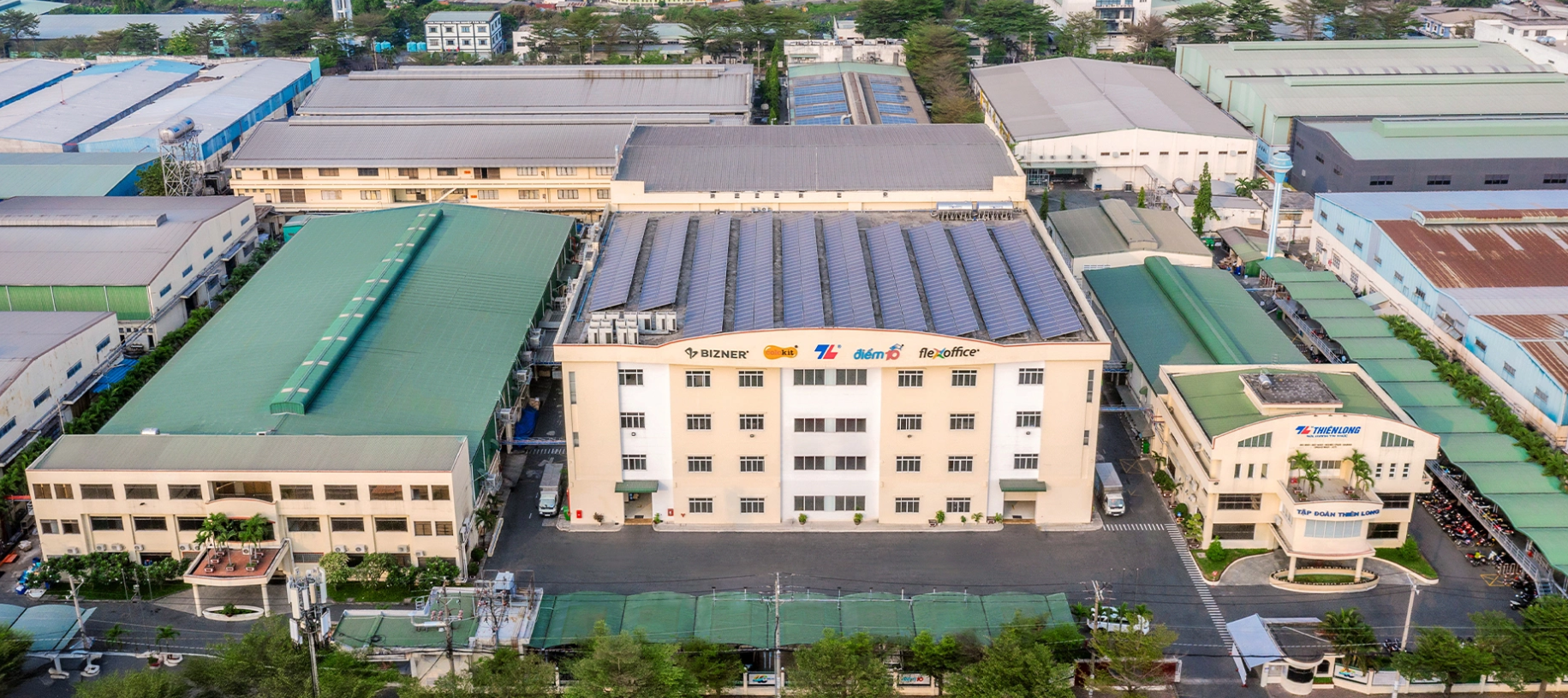
In the final days of 2024, at Thien Long’s 1.5-hectare factory campus in Tan Tao Industrial Park (Tan Binh District, Ho Chi Minh City), the R&D office lights stayed on late into the night. Out on the factory floor, machines ran at full capacity, churning out pen barrels and testing ink tips. The scene, though familiar, carried a heightened urgency as teams raced to complete the first batches of Hoshi pens—a project that spanned two years and symbolized over two decades of collaboration with Japanese partners.
The Hoshi gel pen integrates Japanese-transferred technology with Thien Long’s 40+ years of expertise in mechanical engineering and automation. It reflects the company’s ambition to bring Vietnam’s stationery ecosystem further onto the international stage.

From Vietnam’s First Ballpoint to World-Class Engineering
In 1981, Thien Long’s founder launched the first “Made in Vietnam” ballpoint pen. Though the company entered the industry nearly 100 years after the global pioneers, Thien Long today masters world-class pen-making engineering. It is among a select group of about 20 countries capable of producing pen tips, a technology demanding strict requirements in raw materials and precision machining.
To close the gap with global leaders, Thien Long partnered with major international giants for raw materials, machinery, and production technology. Japanese partners, in particular, have played a vital role in the company’s progress.
The journey began in the early 2000s when Thien Long aimed to elevate product quality. “We imported raw materials from Japan, Germany, and Switzerland,” recalled the head of Thien Long’s R&D division. Japanese partners, known for their rigor and precision, required Vietnamese teams to earn trust step by step—beginning with transparency, then technology transfer, and finally product co-development.
From Supplier to Strategic Partner
For the first decade, Japanese companies supplied only raw materials and equipment. Thien Long took steady steps: placing regular orders, guaranteeing volumes, and maintaining transparent communication. Even during tough times, when currency fluctuations raised input costs severalfold, Thien Long refused cheaper alternatives, trusting Japanese quality. In return, partners invested in new machinery to meet urgent orders and even adjusted prices when necessary.
After ten years, the relationship evolved into a strategic partnership. Japanese firms began sharing manufacturing processes and new technologies. Even amid volatile raw material prices, Japanese partners offered support to ensure Thien Long’s sales targets were met.
Alongside partnerships, Thien Long invested in automation and mechanical engineering, becoming a leader in Southeast Asia. The company designed and built specialized assembly machines for stationery production, enhancing efficiency and creating a proprietary core value. These machines can operate continuously for days, fully automated without human operators, meeting the majority of factory output.

World-Class Precision
Thien Long’s most sophisticated equipment—pen tip production lines—were imported from Switzerland, offering micrometer precision (1/1,000 mm). Producing pen tips requires extreme skill: embedding a tiny ball (as small as 0.5 mm) made of tungsten carbide, the world’s second-hardest metal after diamond. Only 4–5 countries globally can manufacture these balls.
This capability allows Thien Long to stay competitive, adopting the latest global trends and standing shoulder to shoulder with international stationery giants.
Launch of the Hoshi Collection
At the end of 2024, to celebrate two decades of collaboration with Japanese partners, Thien Long unveiled the Hoshi collection. It includes gel pens, mechanical pencils, whiteboard markers, permanent markers, and highlighters. Key innovations include:
-
Gel pens with waterproof ink and an auto-lock tip mechanism (patent pending) that prevents leaks when clipped to shirts or documents.
-
Mechanical pencils requiring 50% less pressure to click compared to conventional pencils.
-
Whiteboard markers (Hoshi WB-025) with bold, clear strokes that erase easily.
-
Permanent markers (Hoshi PM-019/HS & PM-021/HS) with high adhesion, writing clearly even on difficult surfaces like tape or oily surfaces.
-
Highlighters (Hoshi HL-018/HS) with improved ink that prevents bleed-through, even on thin paper.
The products inherit hallmarks of Japanese stationery—advanced technology and minimalist design—while signaling Thien Long’s move into mid-to-high-end product segments, targeting demanding markets like Japan.

The Two-Year Hoshi Project
Launched in 2023, the Hoshi project assembled Thien Long’s top experts. They frequently traveled to Japan to work with engineers on product design, testing, market research, prototyping, and refinement.
The biggest challenge lay in meeting rigorous quality standards and delivering added value for users. For instance, the gel pen’s knock-lock mechanism had to function across various fabrics and papers. Though the first prototype passed Japanese approval, Thien Long set higher ambitions—ensuring consistent performance across rough and fine materials. After dozens of tests, adjustments to stoppers and component precision eliminated issues like snagging on thin fabrics.

At first, the metal clip’s reinforced grip caused assembly difficulties, with defect rates as high as 20–25%. Thien Long’s team worked directly with subcontractors, improving processes and reducing defects to 5–7%, with a goal of below 1% to optimize costs and pricing.
For the mechanical pencils, lightweight clicking relied heavily on Japanese materials and precise, sequential assembly controls. For the matte pen barrel finish—a signature Japanese design—special scratch-resistant plastics and robotic handling solutions were developed to prevent damage during molding and assembly.
By October 2024, after relentless trials, the final version of the Hoshi gel pen passed all tests and officially entered production.

The Meaning of “Hoshi”
The name Hoshi means “star” in Japanese, and also echoes the Vietnamese phrase “I want this.” The collection represents Thien Long’s evolution into premium segments and is expected to be a spearhead for penetrating strict markets like Japan and expanding exports.
With 45 years of experience, Thien Long continues to apply advanced technologies from Japan, Germany, Switzerland, and South Korea to diversify its products. The company envisions a stationery ecosystem that blends international quality with user-centric innovations—cementing its reputation as “a Vietnamese brand capable of competing globally.”

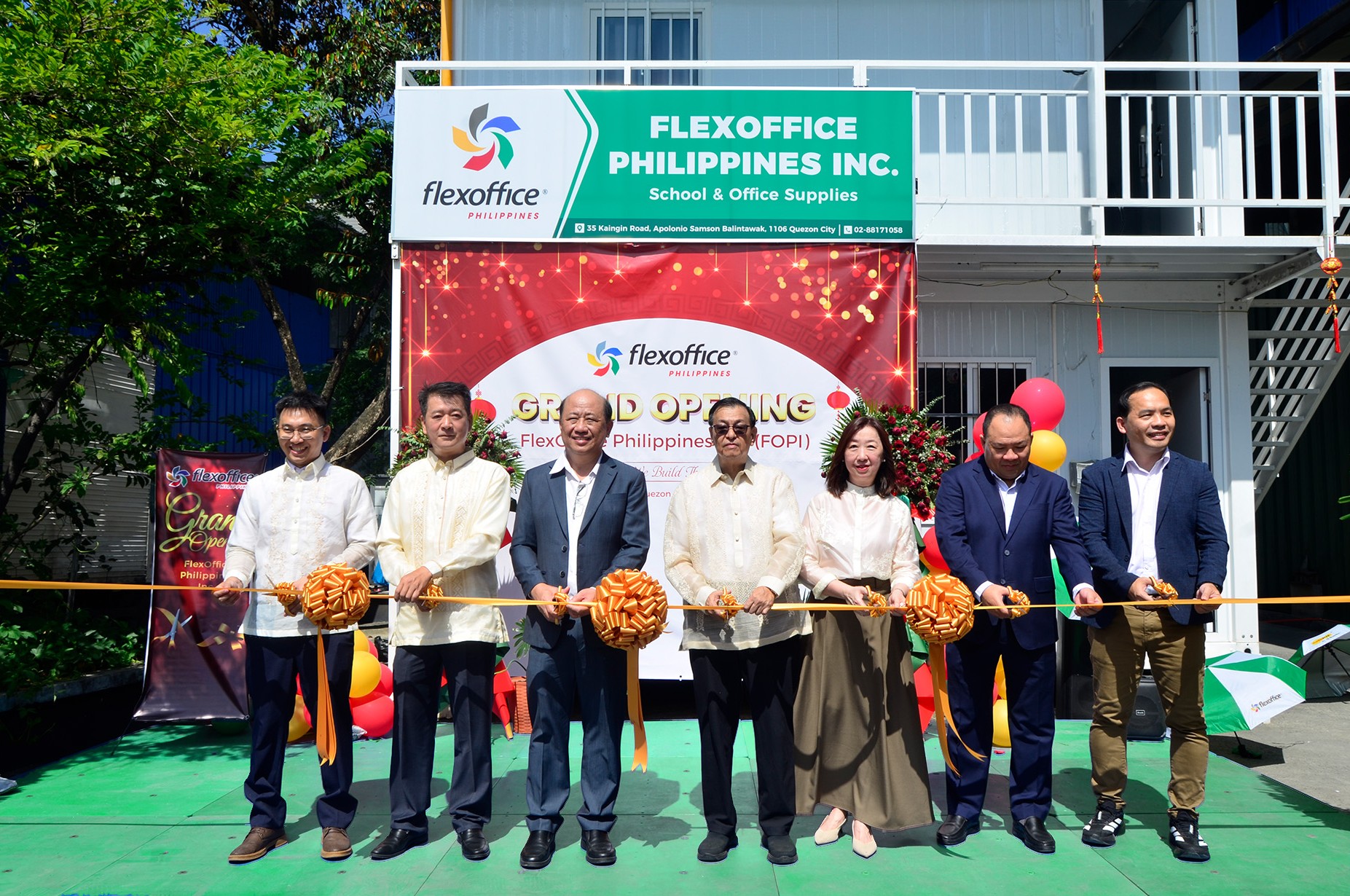
Thien Long Group Officially Launches FlexOffice Philippines Inc. (FOP)
On July 16th, 2026, Thien Long Group officially celebrated the grand launch of its new subsidiary, FlexOffice Philippines Inc. (FOPI).
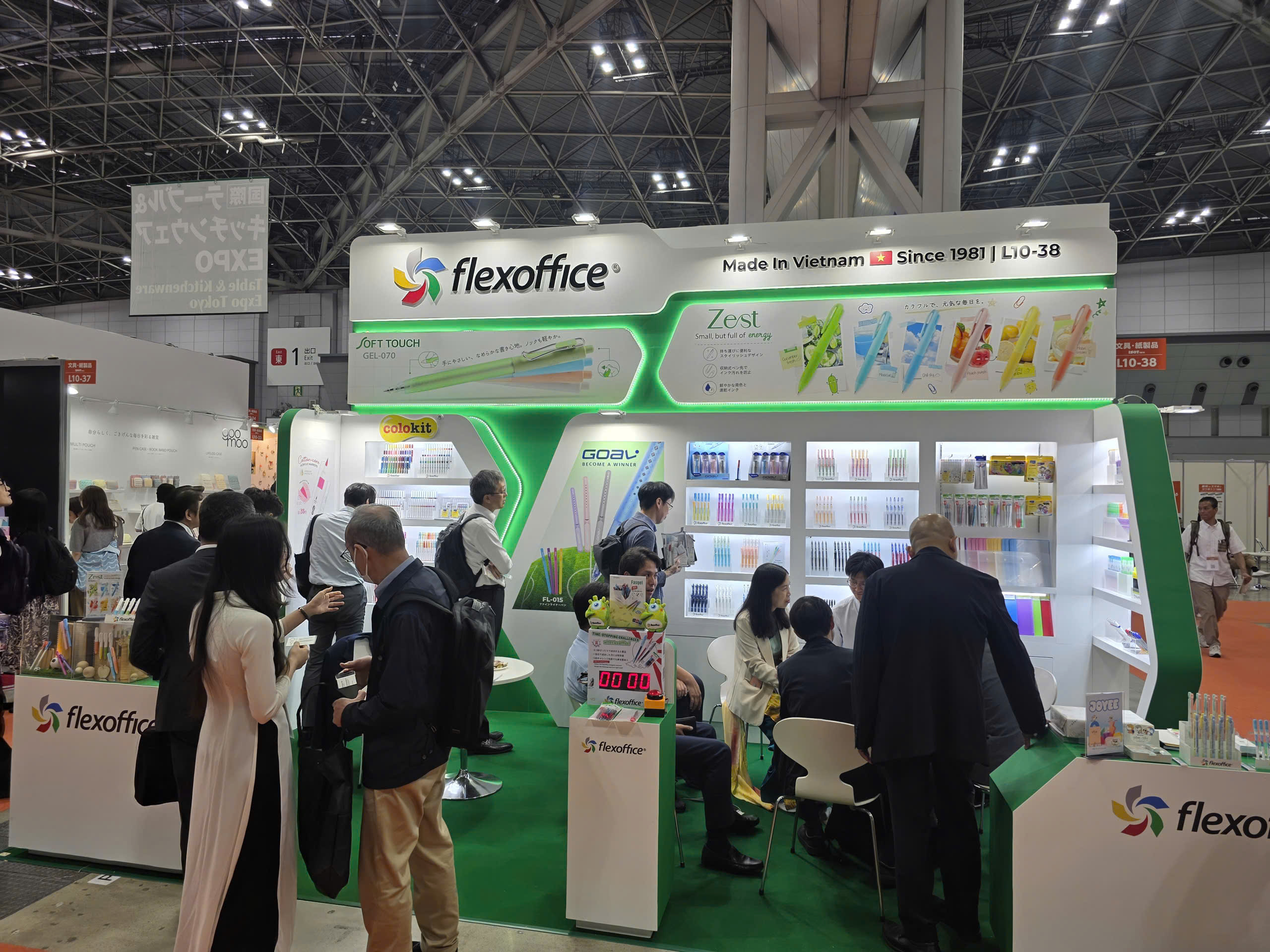
FlexOffice Affirms Global Footprint at ISOT Tokyo 2026 International Trade Show
TOKYO, Japan – Reaffirming its robust global brand positioning and strategic vision, FlexOffice has officially marked its presence at ISOT 2026 – one of Asia’s largest and most prestigious specialized stationery and office products trade shows held annually in Japan.
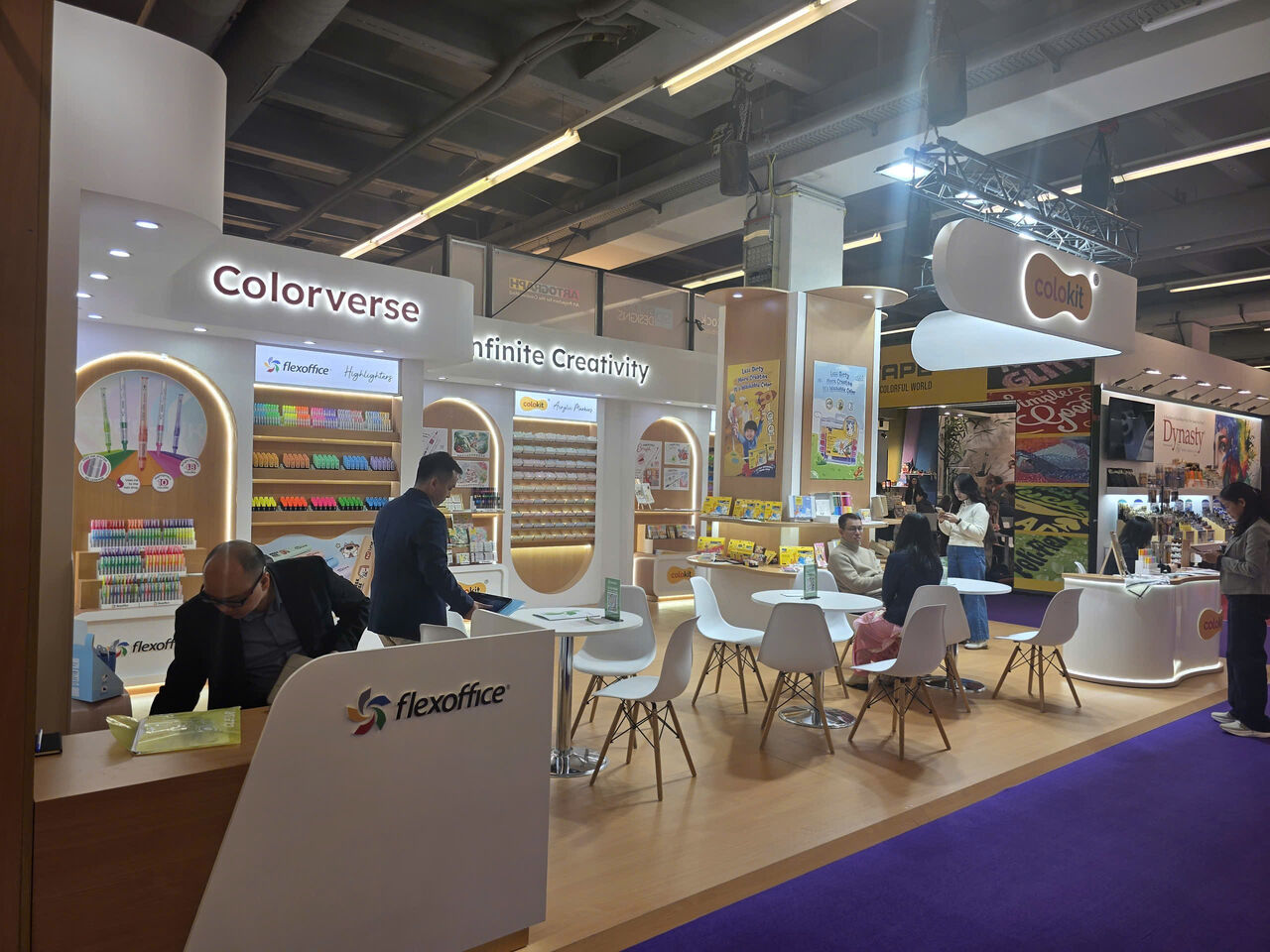
FlexOffice Makes a Strategic Impression at Creativeworld 2026 in Frankfurt
From February 6–9, 2026, FlexOffice Export officially debuted its latest creative portfolio from the Colokit brand at Creativeworld 2026. As the world’s premier international trade fair for art supplies, DIY products, and creative materials, the event served as a high-profile stage for the Vietnamese brand to showcase its global ambitions